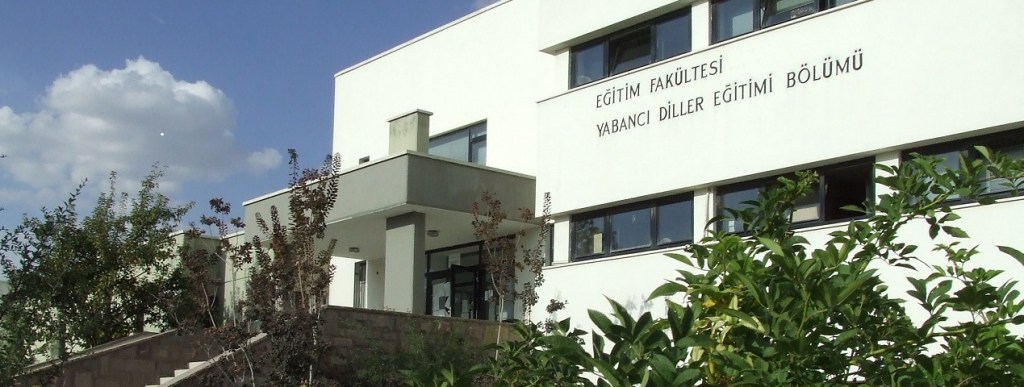
My name is Yasemin Tezgiden-Cakcak. I work in an English Language Teaching program at Middle East Technical University in Ankara, Turkey. I mostly teach language and language teaching methodology courses to undergraduate students in our program. My research area is critical pedagogy and critical teacher education. Every course I teach, I try to include critical pedagogy perspective into it.
The first time I offered Materials Adaptation and Development course in Summer 2018, I redesigned the course so that my students feel confident and competent not only to choose and adapt materials but also to develop materials with a critical edge from scratch. First, we discussed the basics of materials development followed by critical pedagogy and how they intersected. Thereafter, my students facilitated discussion on critical research articles (e.g. Arıkan, 2005, Gray 2013, Gray and Block, 2014, etc.). Then they conducted similar research studies on a coursebook they chose with a critical lens (i.e., gender, ability, race, social class, etc.). Finally, they produced their own sample critical units, which aimed to boost communicative competence and critical consciousness. Their output was beyond my imagination. They produced excellent critical and creative materials, which really expanded all of our horizons. I describe the details of this work in my book Moving Beyond Technicism in English-Language Teacher Education (Tezgiden-Cakcak, 2019, pp. 195-203).
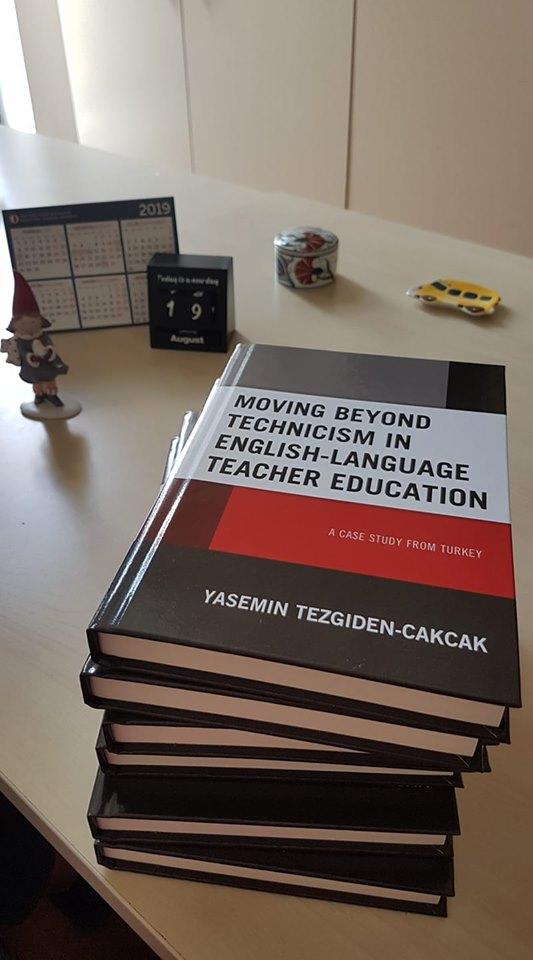
I theorized my pedagogy in this course in a book chapter and I wrote this course included “three components in a respective order: a dialogic democratic classroom atmosphere as a professional community, theoretical background knowledge of critical pedagogy and critical materials analysis and collaborative hands-on work for critical materials analysis, development and use” (Tezgiden-Cakcak, 2024, pp. 54-55). In other words, these materials were produced in an inclusive and safe atmosphere where teacher candidates and teacher educators trusted, respected and loved one another. In such a context, they developed a critical lens toward language teaching materials, which enabled them to work hands-on collaboratively and creatively.
I used the same tasks every time I taught the course and a collection of sample critical English language teaching units emerged. Whenever I shared them with my students and colleagues in classes or academic conferences, I saw everyone was impressed. I believe this is because these materials showed us another way of meaningful language teaching is possible. In addition to the content, the layout and the design of the materials were appealing, indicating what we are able to create when we are not suppressed or deskilled. In the task description, I asked students to imagine an IDEAL WORLD so that they do not restrict their imagination with the cultural and institutional pressures. We were aware that we would never be able to use some of these materials in real life classes because of the political and cultural restrictions. Still, we wanted to IMAGINE.
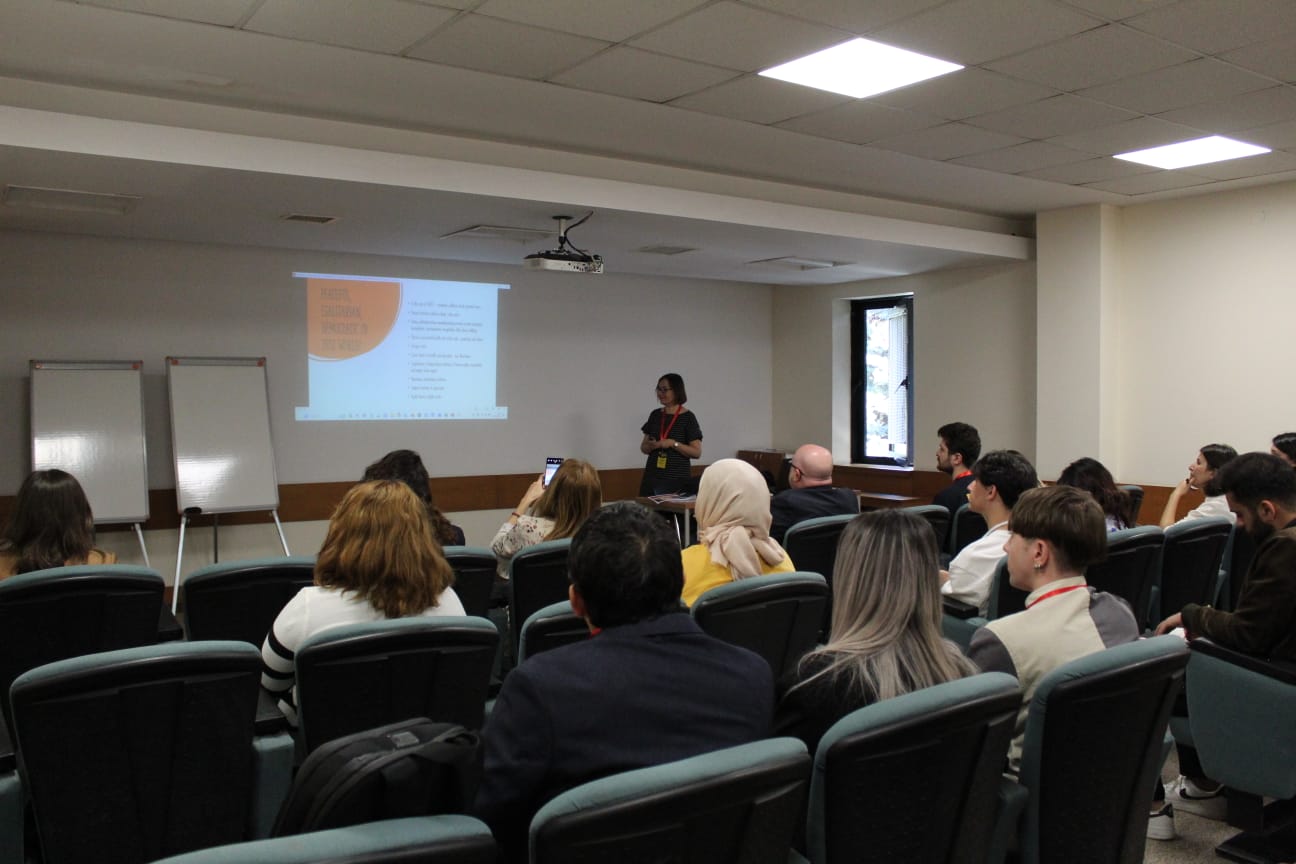
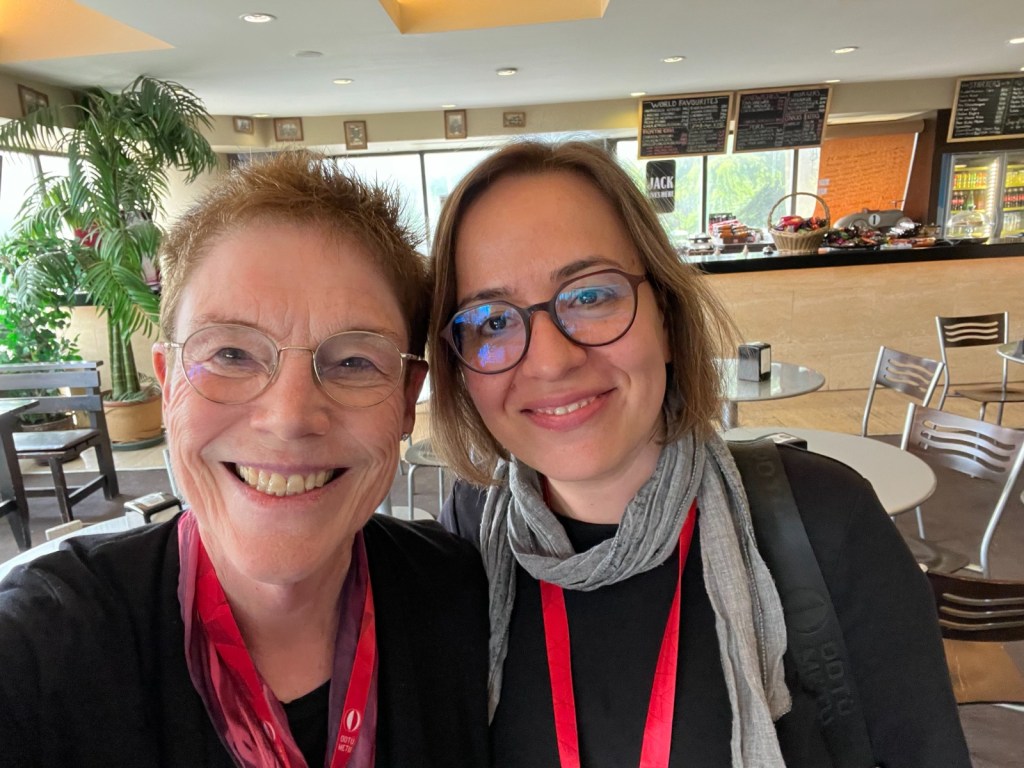
In a workshop session I conducted at METU ELT Convention in 2024 in Ankara, Turkey, I shared the printouts of these critical ELT units with the audience, which attracted a great deal of attention. Dr. Bonny Norton happened to be in the audience and she strongly suggested us making these materials open-access after the session. With her encouragement, I decided to create this website. Without her sincere interest and inspiration, this website would not come along.
In my community service course in Fall 2024, I showed the materials to my sophomore year students and asked if they would be willing to take part in this project. I was pleasantly surprised to see that they were very excited. They contacted the earlier students/authors of the units and took their consent. They edited the units, took copyright permissions for the reading texts and visuals, and designed the website. I cannot thank them enough for their positive energy and work.
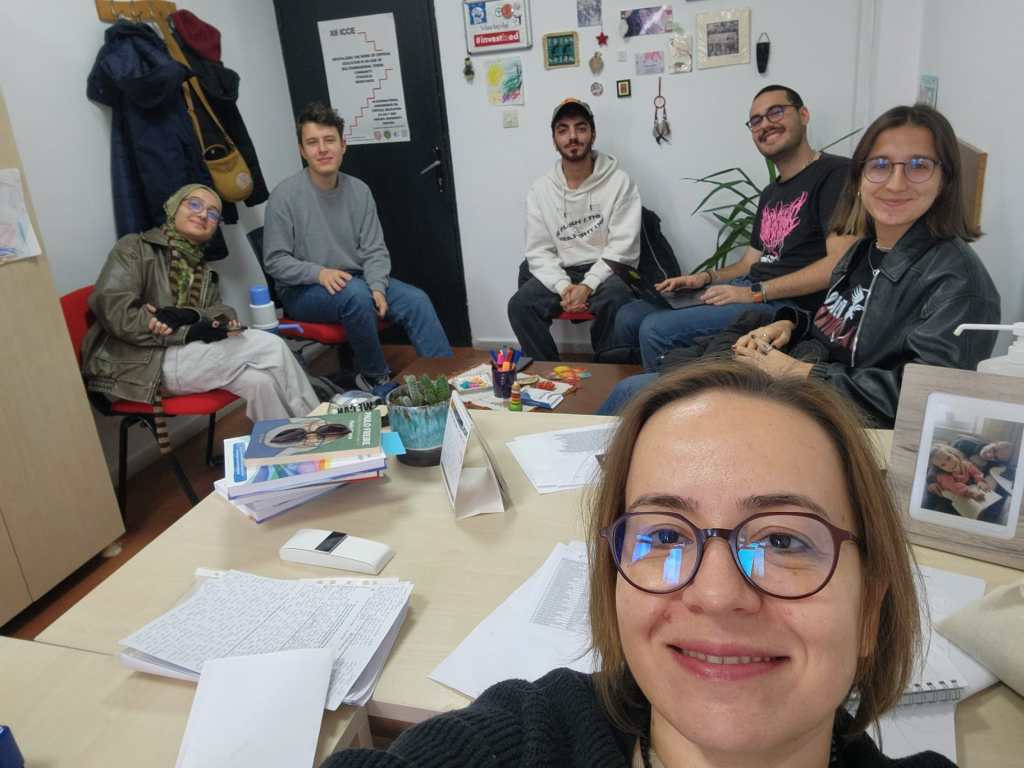
While we were preparing the units for publication, we had to remove some content due to risks they may pose to the authors/editors of the units. Even though we set ourselves free in designing the materials, we could not be as free when publishing them. If you think some marginalized groups are not represented in these “critical” units, this is done on purpose considering the restrictions on freedom of expression in Turkey. We are very sorry for this erasure. We hope to be more inclusive with the changing political ideological climate in the near future.
This website is the culmination of our collective critical praxis with my undergraduate students at the Department of Foreign Language Education at METU. I am deeply humbled by their generosity, humility and criticality. Following the motto of our university, we believe we can change the world!
References
Arıkan, A. (2005), “Age, Gender and Social Class in ELT Coursebooks: A Critical Study”, Hacettepe Universitesi Eğitim Fakultesi Dergisi, 28: 29–38.
Gray, J. (2013), Critical Perspectives on Language Teaching Materials, New York: Palgrave Macmillan.
Gray, J. and D. Block (2014), “All Middle Class Now? Evolving Representations of the Working Class in the Neoliberal Era: The Case of ELT Textbooks”, in N. Harwood
(ed.), English Language Teaching Textbooks Content, Consumption, Production, 45–71,
Hampshire: Palgrave Macmillan.
Tezgiden-Cakcak, Y. (2019a), Moving beyond Technicism in English Language Teacher Education, A case study from Turkey. Lanham, MD: Lexington Books.
Tezgiden-Cakcak, Y. (2024). Pedagogizing Critical Materials Analysis and Development. In A. F.Selvi & C. Kocaman [Eds.] International Perspectives on Critical English Language Teacher Education: Theory and Practice (pp. 51-58). Bloomsbury.
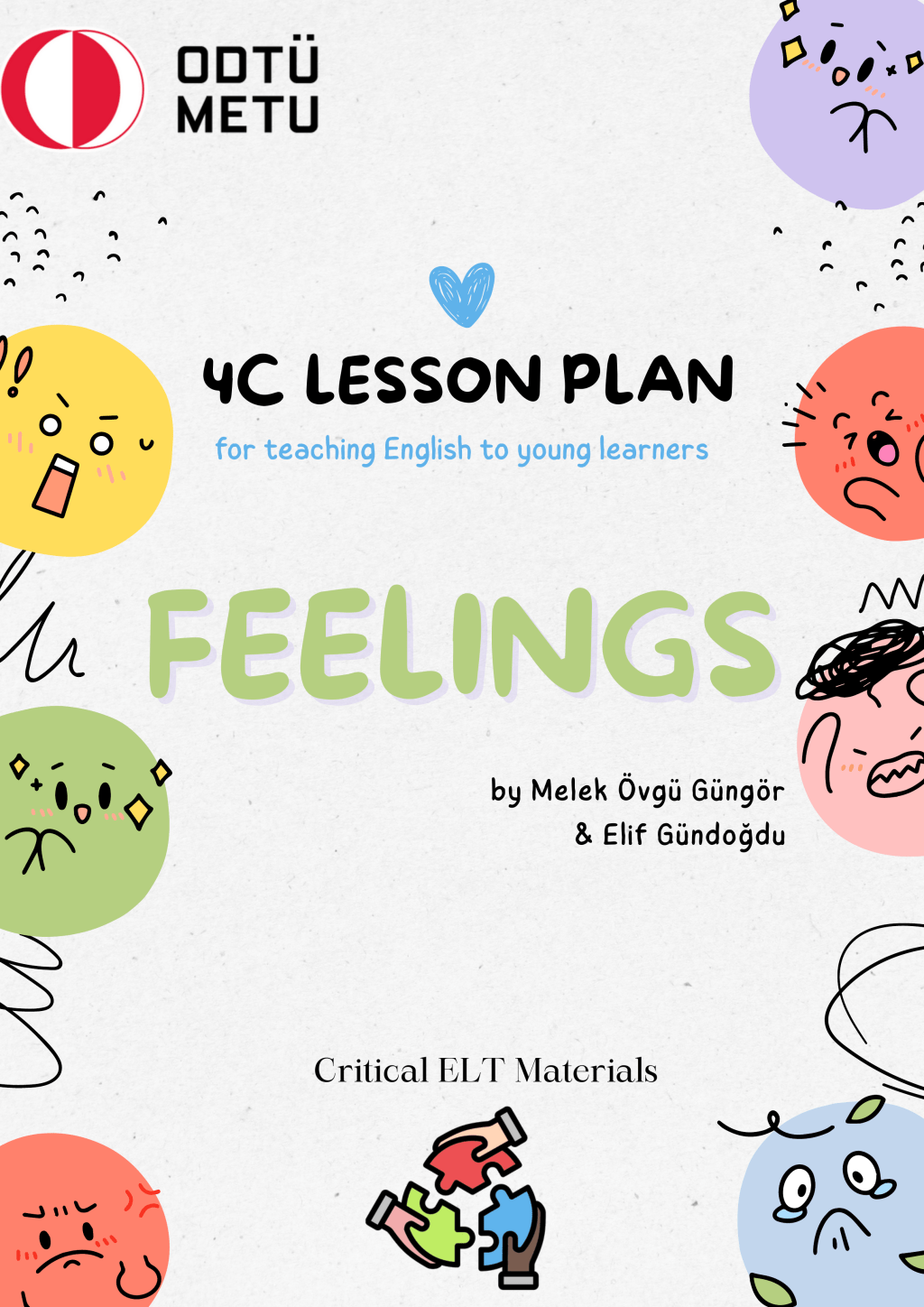

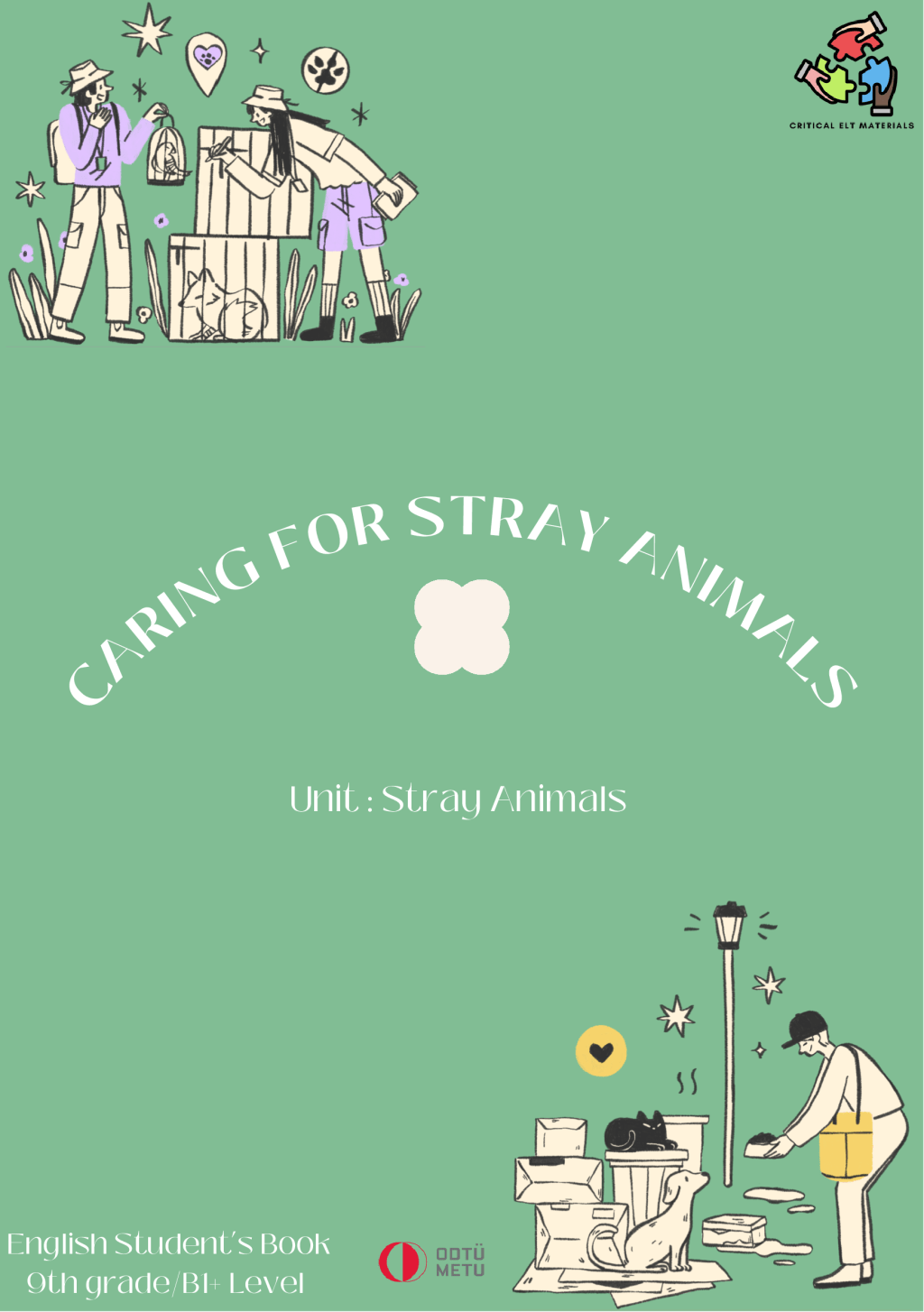
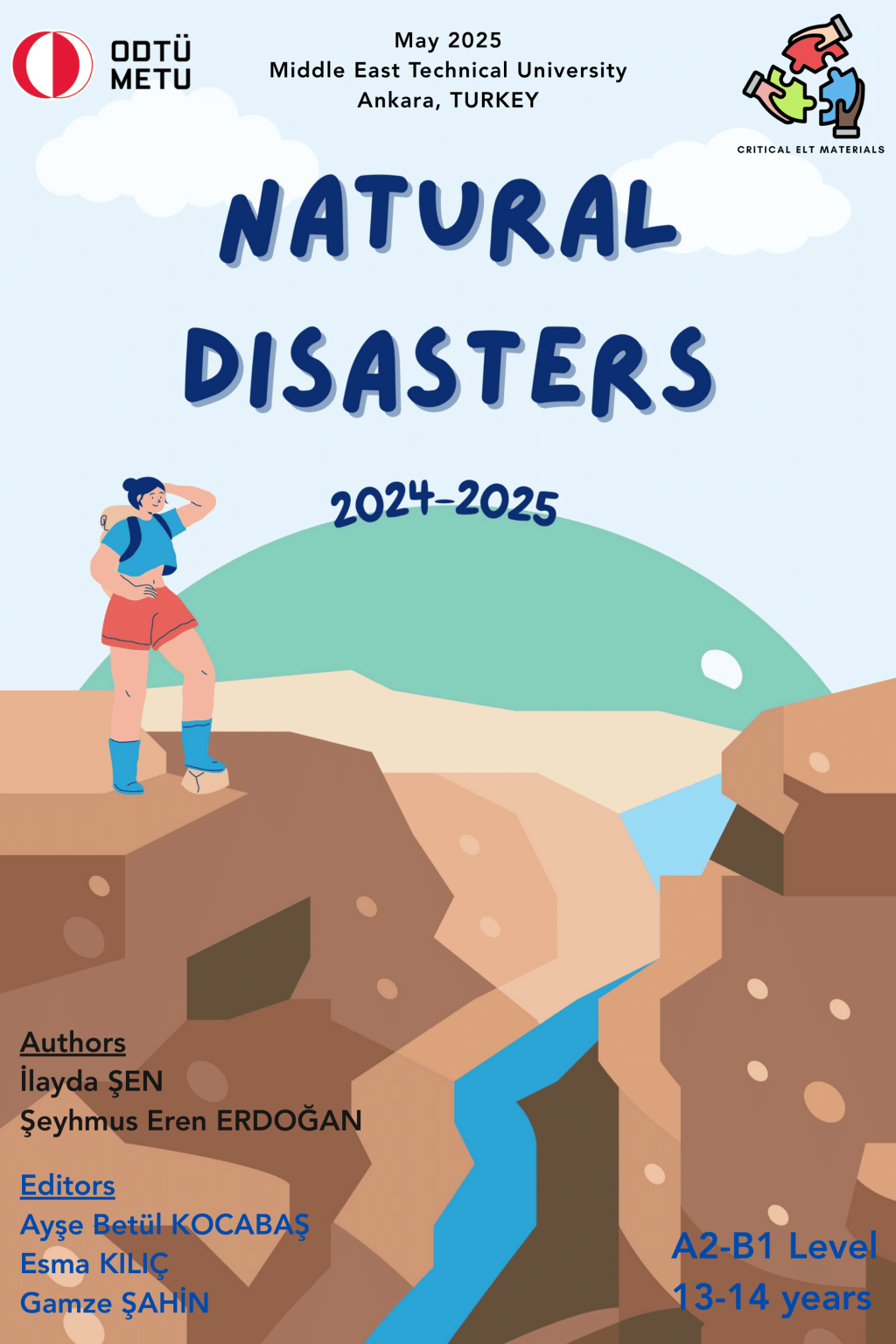
 Critical ELT Materials
Leave a comment